01
Document
Record condition, history, materials, setting, and community perspectives before deciding what to change.
Historic preservation protects buildings, landscapes, objects, and community connections. The work can involve documentation, maintenance, consultation, funding, and thoughtful responses to climate and changing use.
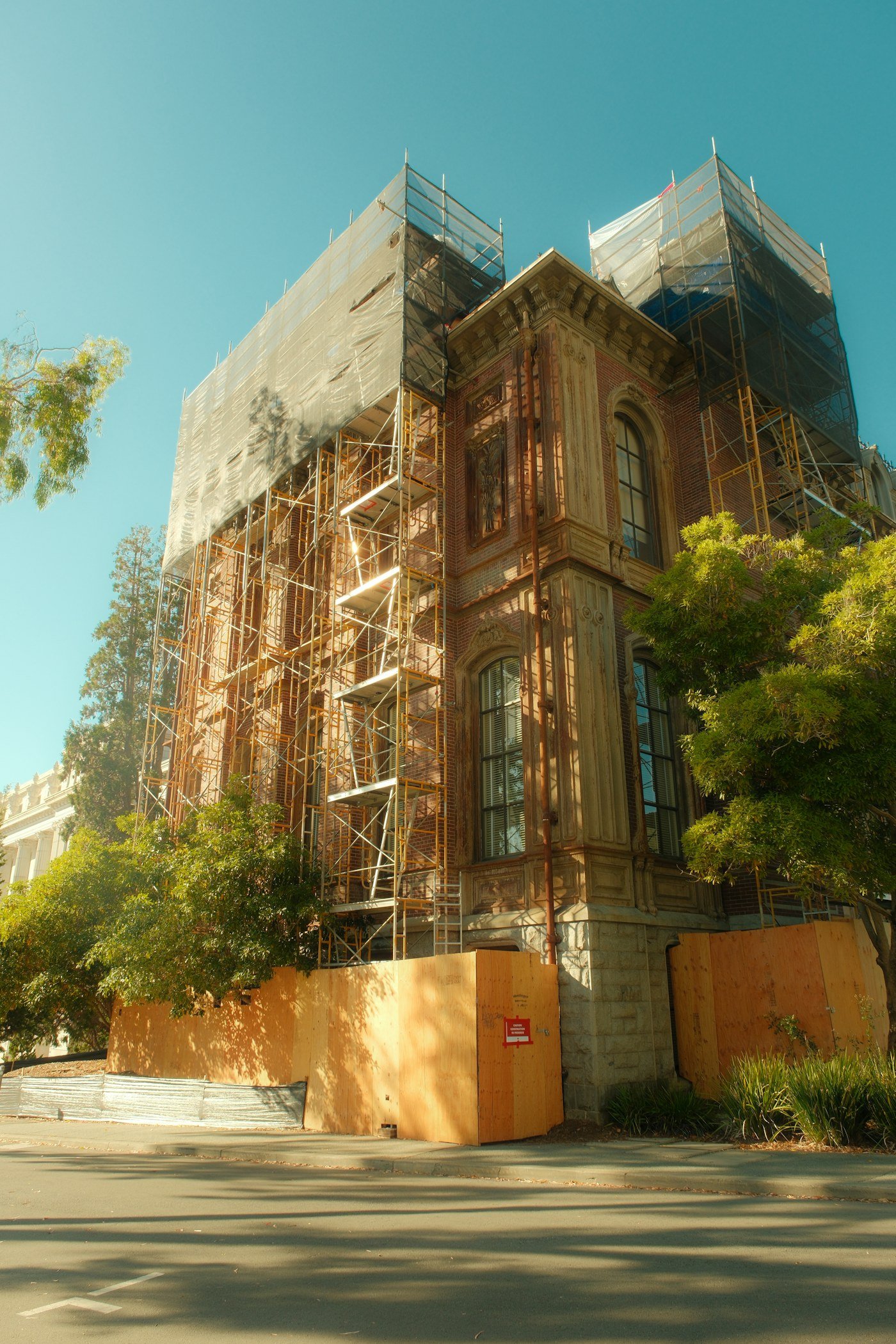
Good stewardship begins with knowing what exists and why it matters. A condition survey, historic context, and community consultation can help managers make informed choices before a building or landscape is at risk. Maintenance can be less visible than restoration, but it often prevents larger losses.
Climate adaptation adds another layer. Flooding, heat, wildfire, erosion, and changing water conditions can affect cultural resources as well as natural ones. Planning works best when cultural knowledge and local communities are part of the process.
Every site is different, but these steps make a useful learning framework.
Record condition, history, materials, setting, and community perspectives before deciding what to change.
Include the people and communities connected to the place and identify applicable preservation standards.
Prioritize maintenance, accessibility, resilience, and clear interpretation in the long-term plan.