Objects
Artifacts & material culture
Tools, clothing, household goods, military equipment, and other objects can show how people lived and worked.
A museum collection can include household objects, tools, uniforms, photographs, maps, oral histories, and natural specimens. Each item has a chain of custody and a story about how it was made, used, collected, and interpreted.
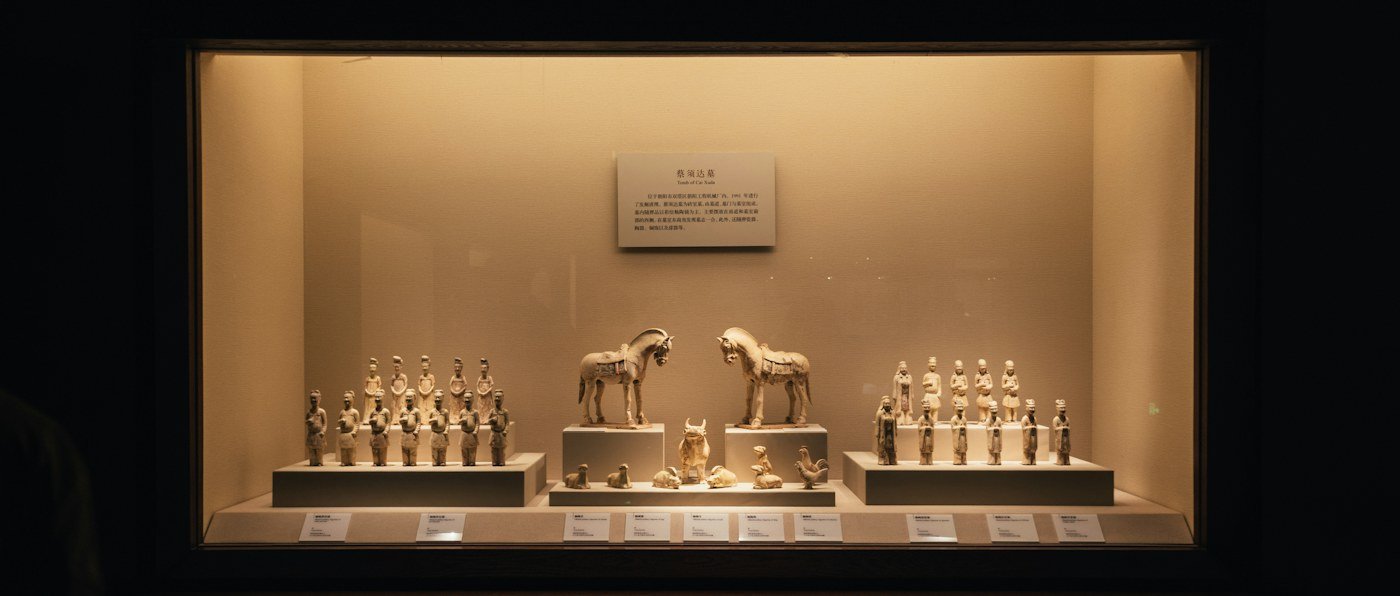
Object research begins with observation: materials, wear, maker’s marks, dimensions, and repairs. Catalog records can add dates, locations, donors, and use—but a record may also be incomplete or shaped by past collecting practices. Treat the label as a research lead, not the whole story.
Photographs and documents can be cross-checked with oral histories or site records. Together, these sources help explain how an object moved from daily life into a public collection.
Filter these introductory cards or search by a keyword to find a useful starting point.
Tools, clothing, household goods, military equipment, and other objects can show how people lived and worked.
Written records preserve decisions and observations, while maps show how people described and used a place.
Visual records document people and places, but always need dates, captions, and source context.
Recorded memories preserve personal knowledge. Interview context and consent are part of responsible use.