01
Architecture & work
Notice materials, construction changes, transportation routes, and signs of everyday labor.
Historic sites can be memorials, homes, industrial landscapes, battlefields, sacred places, and community landmarks. Explore them as physical places shaped by people, policy, memory, and change.
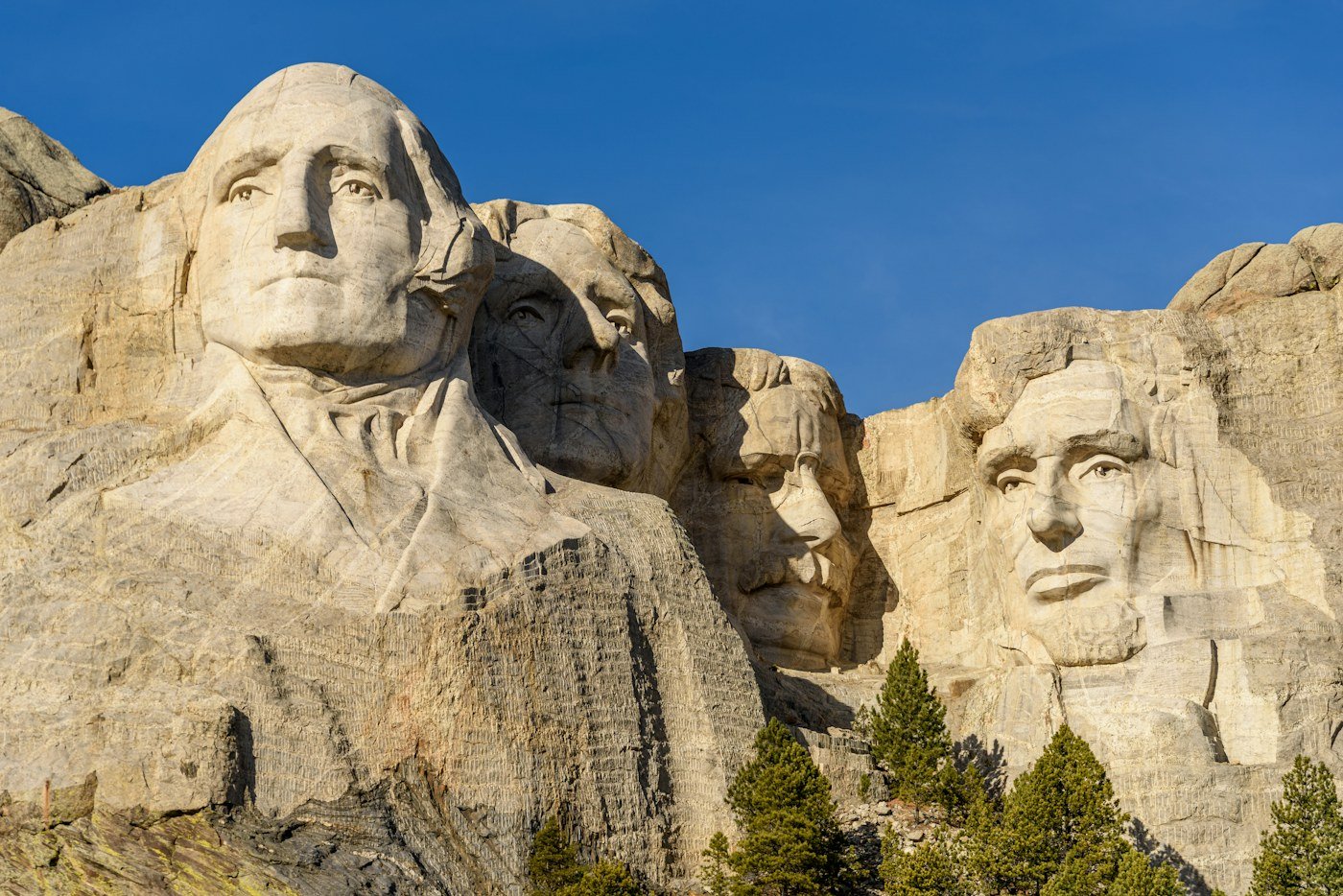
When you visit a historic site, look beyond the central monument. Ask who lived or worked there, how the land was used, who decided the place should be protected, and whose experiences are missing from the familiar account. The built environment and landscape can preserve evidence that is not always written down.
Refiem’s place guides are introductions for U.S. readers. They connect a site to official park information, public archives, and community context without claiming to replace local interpretation.
These lenses help turn a visit into a more thoughtful history question.
Notice materials, construction changes, transportation routes, and signs of everyday labor.
Compare official interpretation with oral histories, local archives, and community perspectives.
Ask how natural and cultural resources intersect and what preservation requires over time.